Reviewed by Yoan Guyon, Managing Director at gbc engineers
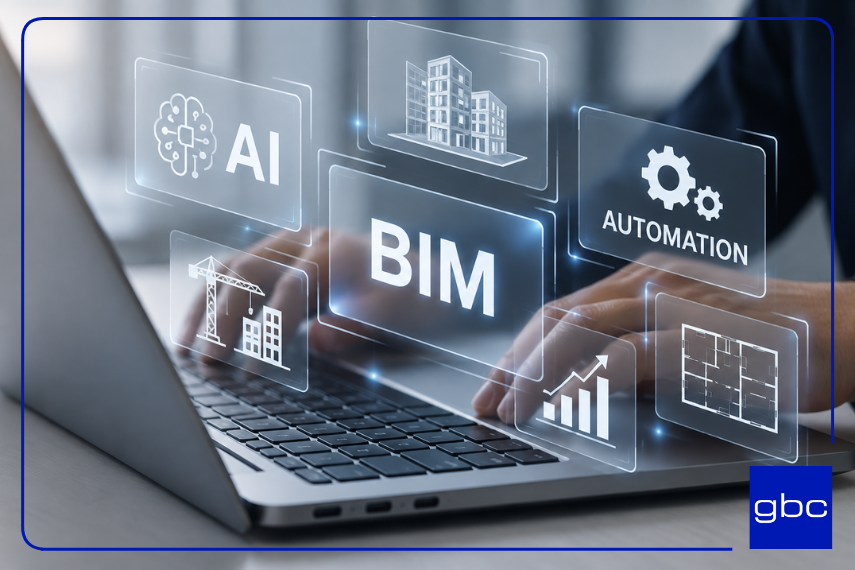
AI is already changing how information is created, checked and used across design and construction. In structural engineering, AI and automation are beginning to generate design options, reduce repetitive modeling, check information and help engineers work through large amounts of project data more efficiently.
For engineers, this creates a more practical question than whether AI can design a structure by itself: which parts of engineering work can be done faster or differently, and which decisions still need professional judgment? This article, from gbc engineers, looks at four areas where that change is taking shape.
AI can help engineers explore more design options
Structural design often starts with several possible solutions, but every option takes time to model, analyze and compare. This limits how many alternatives an engineering team can realistically explore before the project moves forward.
AI can expand the number of options available for review. Generative systems can produce structural layouts from defined project information, giving engineers more alternatives to review without building every option manually. Generative AIBIM research, for example, has shown how BIM information and physical conditions such as building height and seismic requirements can be used to generate shear-wall design alternatives.
For engineers, the value is straightforward: more options can be explored earlier, when there is still flexibility to change the design. Teams can then focus on structural behavior, material use and coordination before deciding which options to develop further.
Automation can reduce repetitive structural detailing
Reinforcement detailing provides a clear example of where automation can save time. In tests on precast concrete wall panels, a BIM-based system using generative AI and reinforcement learning reduced rebar design time by up to 80% compared with manual design.
Reinforcement must follow structural geometry, avoid clashes and satisfy design and buildability requirements. When geometry changes, some of this information may need to be adjusted and checked again.
The 80% figure comes from specific test cases, not every type of project. It still shows where automation can make a practical difference by reducing time spent on repeated modeling and clash resolution, while engineers and detailers focus on buildability and project-specific details.
Read more: Residential Structural Engineer: When and Why You Need One
AI can support building code checks
Building code compliance is another area where AI could reduce time spent searching and checking information. Codes contain technical language, cross-references and conditions, while engineers need to identify the relevant requirements and determine how they apply to the project.
When requirements can be clearly structured, AI can connect them with information already stored in a BIM model. Recent research has tested an LLM-based system that could interpret selected regulations, extract the required BIM data, execute compliance checks and generate reports within one workflow. In the study, the framework achieved 97.7% accuracy in rule execution.
For engineers, this could reduce the time spent on routine code checks and help identify possible compliance issues earlier. Requirements that depend on project-specific conditions or more complex interpretation would still need to be reviewed by an engineer.
AI can help engineers review structural monitoring data
Structural monitoring can generate large amounts of information from sensors, inspections and images. AI can help process this data and identify unusual patterns or possible defects that may require closer review.
Research in structural health monitoring includes applications for vibration data, sensor readings and image-based damage detection. These systems can help engineers focus on the areas that need attention instead of reviewing every piece of information in the same way.
AI can flag possible cracks or unusual sensor readings, but engineers still need to verify them against the actual condition of the structure before deciding whether further investigation is needed.
AI also depends on the quality of the information it receives. In structural engineering, consistent BIM data, clear model structure and up-to-date project information make automated checks and generated outputs more reliable. When information is incomplete or disconnected, more manual review is needed. This makes data quality and model coordination an important part of any AI-enabled workflow.
What AI can help with, and where engineers still lead
|
|
|
What still needs an engineer
|
|
|
Generate and compare more options
|
Select the right structural solution
|
|
|
Repeated modeling and clash checks
|
Confirm buildability and final coordination
|
|
|
Screen selected requirements
|
Interpret complex or project-specific rules
|
|
|
Process sensor and image data
|
Verify the condition and decide the response
|
Across these areas, AI is most useful for processing large amounts of information, comparing alternatives and handling clearly defined tasks.
Read more: Structural Inspections Guide for Safe Buildings
What could change in everyday structural engineering?
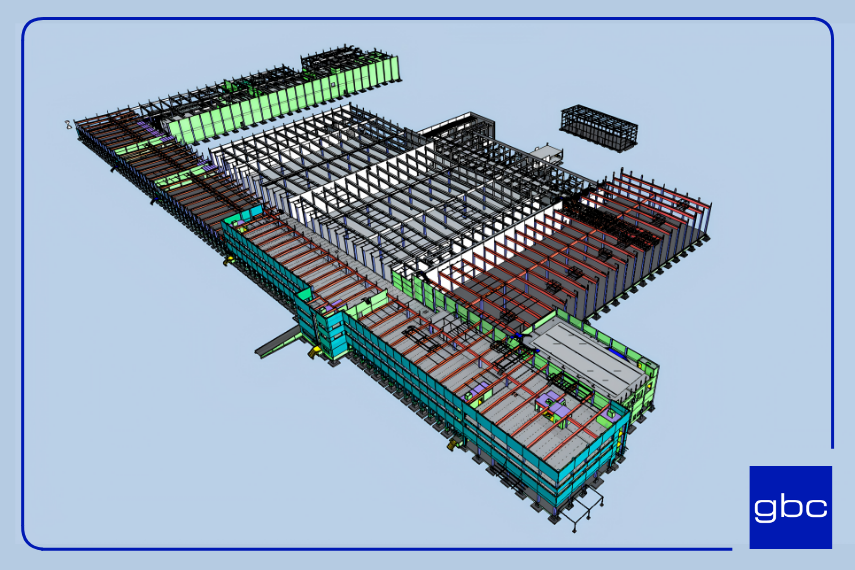
AI and automation can build on the structured digital information already created through BIM workflows. As these tools become more integrated, the same project information can support coordination, detailing and selected checks without being recreated for each task.
In everyday practice, more connected workflows can reduce repeated input between tasks and make design changes easier to carry through the project. Teams can work from more consistent information as the design develops, with fewer disconnected steps between design, coordination and detailing.
Where gbc engineers fits into this change
At gbc engineers, we are progressively integrating AI and automation into engineering workflows that combine structural analysis, detailed and precast design, and BIM coordination. This allows new tools to be evaluated against real project requirements, including coordination, buildability and design quality. Our focus is on practical integration: using technology where it improves efficiency and consistency, while keeping technical review and responsibility with our engineers.
Read more: Structural Engineering for Beyond Code Compliance
Frequently asked questions
What is the best AI for structural engineers?
There is no single best AI tool for structural engineers. The right tool depends on the task, such as generating design options, automating detailing, checking selected requirements or reviewing project information.
Will AI replace structural engineers?
No. AI can automate or support parts of the workflow, but structural engineers are still responsible for technical decisions, project-specific judgment and the final design.
How are AI and automation different in structural engineering?
Automation follows defined rules to complete repeatable tasks, while AI can identify patterns, generate alternatives and work with larger or less structured sets of information. In practice, both can be used together within the same engineering workflow.
How does AI work with BIM?
AI can use the structured information already stored in a BIM model, such as geometry, materials and building elements. This can support tasks including design generation, detailing, selected code checks and project information review.
What are the limitations of AI in structural engineering?
AI depends on the quality and structure of the information it receives. It can also struggle with unusual project conditions, complex details or requirements that need interpretation. Its outputs therefore still need to be checked against the actual design, project constraints and applicable standards.
Can AI replace AutoCAD or Revit?
No. AI does not replace CAD or BIM platforms such as AutoCAD or Revit. Instead, it can support specific tasks around these tools, such as generating options, automating model-based work or checking project information.
How is gbc engineers approaching AI and automation?
gbc engineers is progressively integrating AI and automation into its structural design, BIM coordination, detailed engineering and precast workflows. The focus is on applying these tools where they can reduce repetitive work and improve the use of project information, while technical decisions and responsibility remain with our engineers.
How should a structural engineering team start adopting AI?
A practical starting point is one well-defined task with a clear way to check the result, such as automating a single type of detailing or code check. Early use should stay closely reviewed by an engineer, then extend to other repetitive parts of the workflow once it performs reliably.
|
About us
gbc engineers
is an international engineering consultancy with offices in Germany, Poland, and South East Asia, having delivered 500+ projects worldwide. We provide services in structural engineering, data center design, infrastructure and bridge engineering, BIM & Scan-to-BIM, and construction management. Combining German engineering quality with international expertise, we achieve sustainable, safe, and efficient solutions for our clients.
|