Many stakeholders often wonder what structural inspections are and whether they are truly necessary for their projects. Structural inspections play a critical role in ensuring the safety, performance, and longevity of buildings and infrastructure, helping identify early signs of structural issues, support compliance, and guide effective maintenance decisions.
In this article, gbc engineers will provide a comprehensive overview of structural inspections, including key types, processes, and indicators to help you better understand and manage your assets.
What is a structural inspection?
Structural inspections are systematic evaluations used to assess the safety, condition, and performance of buildings and infrastructure. They provide a clear understanding of how a structure performs against its intended design and use.
Why are structural inspections important?
To better understand why structural inspections are important, the following points outline the key reasons they matter in practice:
- Early issue detection: Structural inspections make it easier to detect issues before they become more serious, more expensive, and more difficult to address.
- Safety support: By reviewing the condition of a structure, structural inspections help reduce the risk of hazards that could affect occupants, users, or surrounding property.
- Long-term performance: Regular structural inspections help structures remain reliable and functional over time by supporting timely maintenance and repair decisions.
- Cost control: Finding and addressing concerns early is usually far more cost-effective than waiting until major damage or disruption occurs.
- Compliance support: Structural inspections help confirm whether a building or infrastructure asset continues to meet applicable standards, regulations, and project requirements.
- Asset value protection: A well-monitored structure is easier to maintain, manage, and preserve, which supports both operational value and long-term investment value.
- Better decision-making: Inspection findings provide clear technical insight that helps owners, engineers, and project teams prioritize repairs, maintenance, and future planning.
With these key aspects in mind, the question of why are structural inspections important becomes clear. To further understand how inspections are carried out in practice, the next section explores the different types of structural inspections.
Different types of structural inspections
There are several types of structural inspections, including:
- Baseline condition assessment: An initial inspection that records the existing condition of a structure and creates a reference point for future comparison.
- Routine inspection: A scheduled inspection used to monitor the condition of a structure over time and identify any new or worsening issues.
- Special inspection during construction: An inspection carried out during construction to verify that critical structural works are completed in line with design requirements and applicable standards.
- Post-event inspection: An inspection performed after events such as earthquakes, floods, fires, storms, or impacts to determine whether the structure remains safe and stable.
- Targeted or diagnostic inspection: A focused inspection used to investigate a specific issue, such as cracking, deflection, vibration, or other signs of unusual structural behavior.
- Forensic investigation: A detailed inspection carried out after a failure or near-miss event to identify the root cause and support corrective action.
- Comprehensive inspection: A broader and more detailed review of the overall structure, often used when a deeper understanding of structural condition is required.
Overall, the different types of structural inspections vary depending on the purpose of the assessment, the condition of the structure, and the project stage. Some are planned as part of routine monitoring, while others are carried out during construction, after unusual events, or in response to specific structural concerns.
Read more: 10 Must-Know Elements in Every Structural Engineer Inspection
What is the structural inspection process?
A structural inspection follows a systematic process to ensure that the condition and performance of a structure are accurately evaluated, as outlined in the table below:
Structural inspection process
|
|
|
|
Inspect accessible areas for visible signs of damage such as cracks, corrosion, deformation, or moisture-related issues.
|
2. Measurements and checks
|
Verify key structural elements, including alignment, dimensions, and overall condition.
|
3. Testing methods (if required)
|
Apply non-destructive testing or advanced inspection techniques to assess material integrity and detect hidden defects.
|
|
|
Record findings using notes, photographs, and structured checklists to ensure consistency and traceability.
|
5. Analysis and reporting
|
Evaluate observations and prepare a report outlining structural condition, risks, and recommended actions.
|
Structural inspection checklist
What should be included in a structural inspection checklist to ensure that key structural areas are reviewed thoroughly and consistently? In practice, a well-structured checklist covers several key areas that help engineers evaluate the overall condition of a structure:
1. External structural inspection
The inspection typically begins with the exterior, including the roof, walls, windows, doors, and drainage elements. Engineers look for visible cracks, leaks, deformation, moisture intrusion, and other signs that may indicate structural movement or weather-related damage.

2. Internal structural inspection
Inside the structure, the checklist usually includes walls, ceilings, floors, and other accessible structural elements. Common points of review include sagging, uneven surfaces, water damage, mold, and any visible distress that could affect structural performance.
3. Foundation assessment
The foundation is a key part of any structural inspection checklist. Typical checks include cracks, settlement, displacement, or other signs that may suggest movement or reduced stability.
4. Load-bearing elements
Structural elements such as beams, columns, and load-bearing walls are reviewed for visible damage, deterioration, or signs of overstress. This helps confirm whether the structure continues to perform as intended.
5. Safety and building systems
Depending on the inspection scope, the checklist may also include basic safety-related items such as handrails, emergency access, and visible concerns linked to plumbing or electrical issues that could affect the building condition.
6. Documentation and follow-up
A good structural inspection checklist also includes space to record findings, photographs, and recommendations. This helps create a clear record of observed issues and supports follow-up actions where needed.
What factors influence the frequency of structural inspections?
The frequency of structural inspections is typically influenced by the building’s age, function, exposure conditions, regulatory requirements, and previous structural history.
Older structures and heavily used buildings often require closer monitoring, while assets in seismic, flood-prone, coastal, or extreme-weather environments may need more frequent inspections. Mandatory local codes can also define inspection intervals, and any record of past structural concerns may justify shorter review cycles.
How often should structural inspections be conducted?
- Critical structural works during construction: Inspect as the work is being carried out.
- Newly completed structures: Inspect within the first year to establish a baseline for cracks, deflection, and water-related performance.
- Typical buildings in normal conditions: Inspect every one to five years, depending on use, exposure, and overall risk.
- Structures exposed to major events: Inspect immediately after earthquakes, floods, storms, fires, or significant impacts.
Read more: When Should You Schedule a Structural Foundation Inspection?
How long do structural inspections take?
Structural inspections usually take around one to two hours, although the exact duration depends on the size, complexity, and condition of the property. Larger or more deteriorated structures may require additional time for a proper assessment. In any case, the time invested in an inspection helps support safer decision-making and long-term asset protection.
How much does a structural inspection cost?
By this point, it is clear that structural inspections are essential for protecting safety, performance, and long-term asset value. A common next question is whether structural inspection cost is expensive and what factors usually affect it.
In general, structural inspection cost can range from a few hundred euros or dollars for a basic residential review to several thousand for larger, more complex, or highly specialized assessments. The final cost typically depends on the property size, inspection scope, structural complexity, engineer expertise, and whether additional calculations or detailed reporting are required.
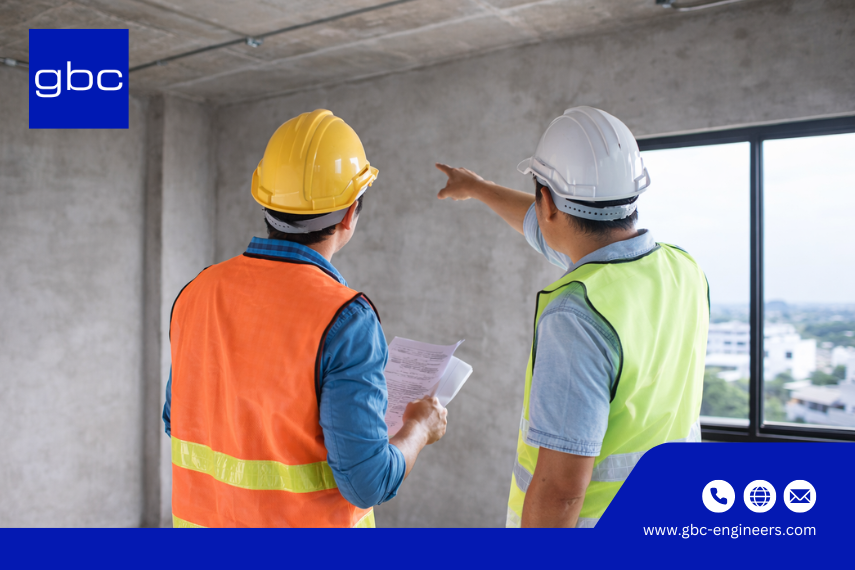
Overall, structural inspection cost should be considered in relation to the scope of the assessment and the value of the decisions it supports. At gbc engineers, we deliver high-quality structural inspections with a practical, cost-efficient approach, helping clients save time, control costs, and maintain safe and reliable structures.
Read more: 5 Signs Your Infrastructure Bridge or Building Needs Inspection
Best practices for effective structural inspections
Effective structural inspections rely on thorough preparation, a systematic approach, and accurate documentation. Inspectors should review available drawings, records, and previous reports before the site visit, follow a clear inspection checklist, and assess all critical areas thoroughly rather than focusing only on visible concerns.
How inspectors ensure thoroughness and accuracy
To improve accuracy, visual observations should be supported by suitable tools or testing methods where needed, such as non-destructive testing, thermal imaging, or other inspection technologies.
Findings should be recorded clearly with notes, photographs, and location references so that the results can be reviewed and acted on later. Consistency also depends on using proper equipment, following safety procedures, and staying up to date with current codes, standards, and inspection practices. Where necessary, input from other specialists or an internal review can help strengthen the reliability of the assessment.
Common pitfalls to avoid during structural inspections
Common mistakes to avoid include poor preparation, overlooking key structural areas, relying on incomplete observations, using unsuitable tools, and failing to document findings properly. Overall, a high-quality structural inspection depends on thorough preparation, systematic execution, accurate records, and sound engineering judgment.
Conclusion
To sum up, structural inspections play a vital role in ensuring the safety, performance, and long-term reliability of buildings and infrastructure. By understanding inspection types, frequency, key indicators, and best practices, stakeholders can identify issues early and make more informed maintenance decisions. A structured inspection approach not only supports compliance but also helps reduce risks and avoid costly repairs over time.
At this point, gbc engineers has provided useful insights into key topics related to structural inspection cost, structural inspection process, structural inspection checklist, and structural inspection services. We hope this information helps you better understand the value of structural inspections and supports more confident decisions when planning assessment, maintenance, or repair for your building or infrastructure asset.
|
About us
gbc engineers
is an international engineering consultancy with offices in Germany, Poland, and South East Asia, having delivered 500+ projects worldwide. We provide services in structural engineering, data center design, infrastructure and bridge engineering, BIM & Scan-to-BIM, and construction management. Combining German engineering quality with international expertise, we achieve sustainable, safe, and efficient solutions for our clients.
|